
In the digital arena of political communication, a new storm has broken out. Saskia Esken, co-chair of the SPD, has caused a stir with sharp criticism of the popular YouTube format “Ben Ungeskriptet.” What began as a critique of journalistic standards quickly escalated into an outright call for a boycott. At politischeverfolgung.de, we analyze: Is this a necessary boundary-setting or a case of state-driven Cancel Culture?
The Trigger: What Happened at “Ben Ungeskriptet”?
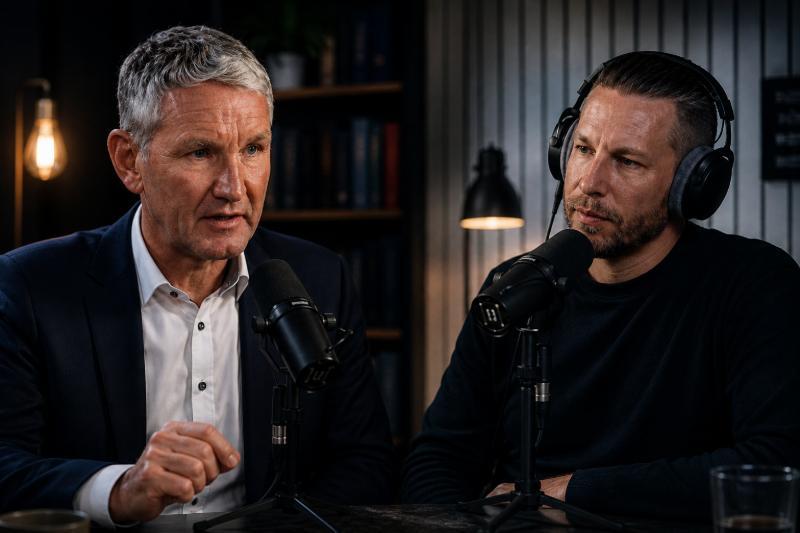
The format hosted by YouTuber Ben (Benjamin Berndt) is known for long, unscripted interviews where guests speak at length without interruption. Following a recent interview with controversial figures like Björn Höcke (AfD), Esken accused the channel of contributing to the normalization of positions she deems anti-democratic by providing an “unscripted” and allegedly uncritical stage.
The Escalation: From Unease to Boycott Call
Esken did not stop at mere criticism. She suggested that companies should withdraw their advertising money from such platforms. This move is seen by critics as an attempt to economically starve an independent medium that does not follow the “scripted” narrative of the Berlin political establishment.
Political Persecution or Legitimate Criticism?
At politischeverfolgung.de, we view such incidents in the context of a creeping narrowing of the debate space. When a ruling party leader calls for the boycott of a media format, it creates a “chilling effect”:
- Guilt by Association: Anyone still appearing on Ben’s show is automatically labeled as “problematic.”
- Economic Censorship: By targeting ad revenue, the state—via its representatives—interferes with the free media market.
Conclusion
Instead of facing the debate, Esken chooses isolation. The attempt to “cancel” formats through boycotts often leads to further radicalization. Democracy thrives on dialogue, not on the exclusion of uncomfortable voices.