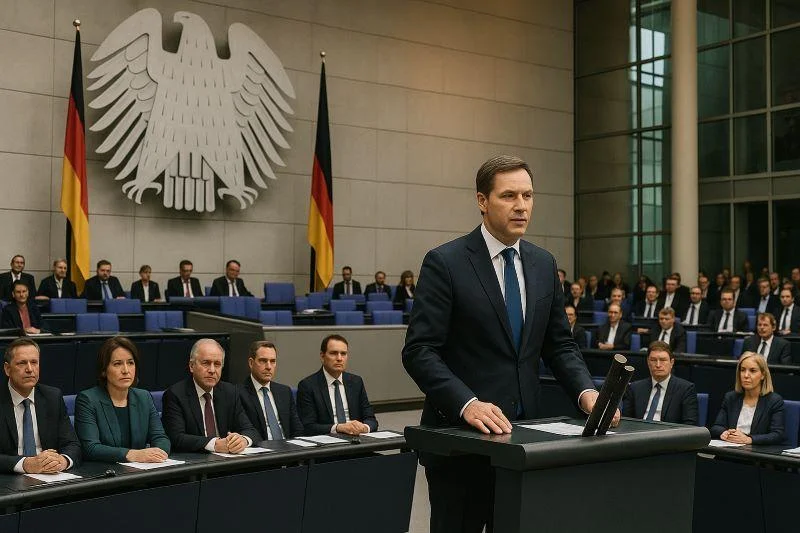
§ 188 of the German Criminal Code (StGB), known as “Politician Insult” (“Politikerbeleidigung”), represents one of the most controversial special offenses in German criminal law. This provision, which provides enhanced penalties for insulting politicians in connection with their office, stands in constant tension with the fundamental right to freedom of expression and raises questions about its potential misuse as an instrument of political persecution.
A Special Offense in Democratic Discourse
Legal Text and Development
Current Legal Text (§188 StGB):
“(1) Whoever insults a person who exercises a political office in relation to their office or in connection with their office shall be punished with imprisonment from three months to five years.
(2) The prosecution requires authorization from the offended person.”
Historical Development:
- 1969: Introduction as part of the 1st Criminal Law Reform Act
- Original justification: Protection of state authority and public peace
- Political context: Response to increasing polarization and attacks on democratically elected representatives
Comparative Legal Analysis
International Comparison:
- United States: Broad protection of political speech under the First Amendment
- United Kingdom: No special protection for politicians, general insult laws apply
- France: Special protection for the President, otherwise equal treatment
- Switzerland: No special regulations for politician insults
European Legal Context:
- European Court of Human Rights: Tends to grant politicians less protection against insults
- Reasoning: Politicians must accept increased criticism as “public figures”
- Limitation: Protection against pure hate speech and incitement remains
Application Practice and Case Law
Statistical Data:
- Approximately 1,500-2,000 proceedings annually
- Clearance rate: About 60%
- Actual convictions: Less than 10% of initiated proceedings
Landmark Decisions:
- BVerfG, 2009: Confirmation of constitutionality but emphasis on narrow interpretation
- OLG Frankfurt, 2015: Distinction between permissible criticism and impermissible insult
- BGH, 2018: Requirements for the connection to the office
Problem Areas and Criticism
Constitutional Concerns:

- Violation of equality principle (Art. 3 GG): Unequal treatment compared to ordinary citizens
- Restriction of freedom of opinion (Art. 5 GG): Chilling effect on political discourse
- Lack of legal clarity: Vague distinction between criticism and insult
Practical Problems:
- Instrumentalization: Use as a means of intimidation against critics
- Arbitrariness: Inconsistent application by courts and prosecutors
- Disproportionality: Severe penalties for verbal offenses
Political Instrumentalization
Documented Cases of Abuse:
- Local politicians: Proceedings against citizens at town meetings
- Online criticism: Criminalization of social media comments
- Satire and caricature: Borderline cases of artistic freedom
Systematic Patterns:
- Increased use during election campaigns
- Regional differences in enforcement intensity
- Disproportionate targeting of government critics
Reform Debates and Alternatives
Abolition Requirements:
- Numerous expert opinions recommend abolition
- Criticism from civil rights organizations
- International pressure due to European legal harmonization
Alternative Models:
- Integration into general insult law (§185 StGB)
- Introduction of a de minimis threshold
- Restriction to cases of concrete endangerment
Current Developments and Trends
Digitalization Impact:
- Massive increase in online insults
- New challenges for law enforcement
- Discussion about platform responsibility
Sociopolitical Developments:
- Increasing polarization of political discourse
- Growing sensitivity to verbal attacks
- Changing understanding of the limits of criticism
Conclusion: Between Necessary Protection and Political Persecution
§188 StGB remains caught in a fundamental tension:
Protection Function:
- Protection of democratic discourse culture
- Security for political office holders
- Prevention of intimidation of democratically legitimized representatives
Danger of Abuse:
- Potential for political persecution of critics
- Restriction of fundamental rights
- Undermining of democratic control function
The future of §188 StGB will depend on whether a balance can be found between the legitimate protection of political office holders and the indispensable freedom of political discourse. The current discussion shows that the provision in its present form increasingly fails to do justice to the requirements of a vibrant democracy.
The debate about §188 StGB reflects the fundamental conflict in every democracy: How much criticism must power endure, and where does the protection of democratic institutions begin? The answer to this question will also determine whether §188 StGB remains an instrument of protection or becomes a means of political persecution.