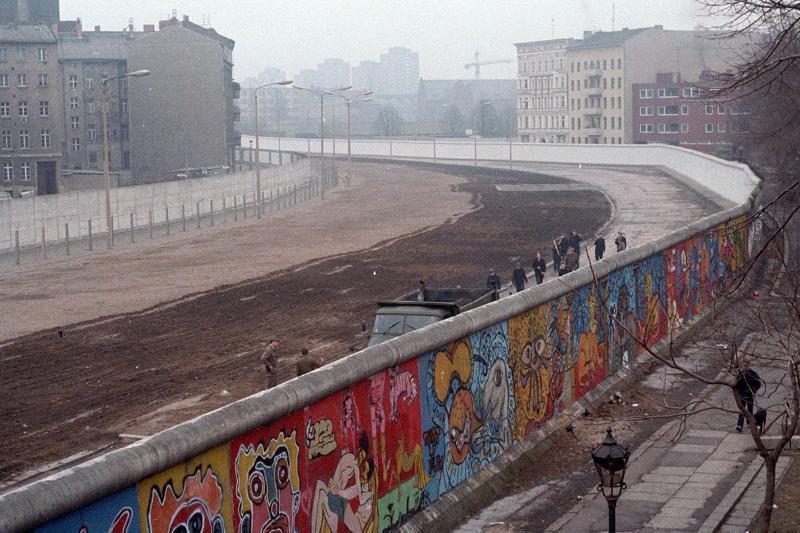
The Berlin Wall remains a global symbol of the Cold War, the division of a metropolis by fortifications, and the state repression of the GDR regime. Between the construction of the Wall on August 13, 1961, and its fall on November 9, 1989, hundreds of people were killed while attempting to cross the borders of the German Democratic Republic. They paid for their desire for freedom, self-determination, or reunification with their families with their lives.
The Border Regime: Shoot-to-Kill Order and Automated Killing Systems
The GDR did not just construct walls and fences; it systematically developed them into a lethal system. To shield the country from its own population—officially declared an “anti-fascist protection rampart”—the regime implemented brutal security measures:
- The Shoot-to-Kill Order (Schießbefehl): GDR border guards were instructed through regulations and orders to prevent border breaches “by all means.” Even though the term was officially disguised, in practice, it meant the targeted use of firearms against unarmed refugees.
- Automated Firing Devices and Landmines: Along the inner-German border, directional fragmentation mines (SM-70) and extensive minefields secured the death strip.
- Death Strip and Barrier Systems: Signal fences, attack dog runs, observation towers, and deep anti-vehicle ditches turned any escape attempt into a life-threatening undertaking.
The Casualty Figures: Scale of the Tragedy
Historical research, particularly by the Centre for Contemporary History Potsdam (ZZF) and the Berlin Wall Foundation, has meticulously documented the exact extent of casualties at the Berlin Wall.
A total of 140 deaths at the Berlin Wall are historically verified between 1961 and 1989:
- 101 refugees: People attempting to escape across the Wall, through waterways, or via tunnels into West Berlin who were shot, drowned, or suffered fatal accidents.
- 30 individuals from East and West: People without escape intentions who were mistakenly shot near the border, victims of accidents, or West Berliners who crossed into border territory.
- 8 border guards: GDR border guards killed by escape helpers, West Berlin police officers, fellow soldiers, or during escape attempts by other soldiers.
Across the entire inner-German border (including the Baltic Sea coast and border crossings), research indicates that at least 327 people were killed.
Examples of Cruelty: Individual Fates
Behind the statistics are individual human lives that demonstrate the ruthlessness of the regime:
- Ida Siekmann († August 22, 1961): The first casualty at the Berlin Wall. She jumped from her apartment window on Bernauer Straße into West Berlin just days after August 13 and succumbed to her injuries.
- Peter Fechter († August 17, 1962): The 18-year-old bricklayer was shot down by border guards during an escape attempt near Checkpoint Charlie. He lay severely wounded in the border strip in full view of the West Berlin public and bled to death as no assistance was rendered for over an hour.
- Günter Litfin († August 24, 1961): The first refugee shot dead by GDR border guards at the Berlin Wall while swimming across the Humboldthafen.
- Chris Gueffroy († February 5, 1989): The 20-year-old Gueffroy is considered the last victim shot dead at the Berlin Wall. Shots fired by border guards killed him during his escape attempt at the Britzer Connection Canal just nine months before the Wall fell.
State Cover-Ups and Post-Unification Prosecution
The leadership of the GDR systematically tried to conceal border deaths. Cause of death records were falsified for family members, corpses were cremated under the supervision of the State Security (Stasi), and secret burials were enforced. Guards who opened fire were frequently rewarded, commended, and given bonuses by the regime.
Legal processing only occurred after German reunification:

- The Border Guard Trials (Mauerschützenprozesse): Numerous border guards who fired shots were convicted of manslaughter or attempted manslaughter, receiving suspended sentences or juvenile convictions.
- Accountability of Command Structure: The political leadership of the GDR—including Politburo members like Egon Krenz and Minister of Defense Heinz Keßler—along with high-ranking military personnel were held criminally accountable for their shared responsibility for the shoot-to-kill order.
Conclusion and Memorial Culture
The victims killed at the Berlin Wall serve as a stark reminder that the SED state was willing to use lethal force to trap its own citizens. Documenting these crimes and honoring the victims—such as at the Berlin Wall Memorial on Bernauer Straße—remains a fundamental obligation of collective German memory culture and an enduring reminder to defend freedom and justice.