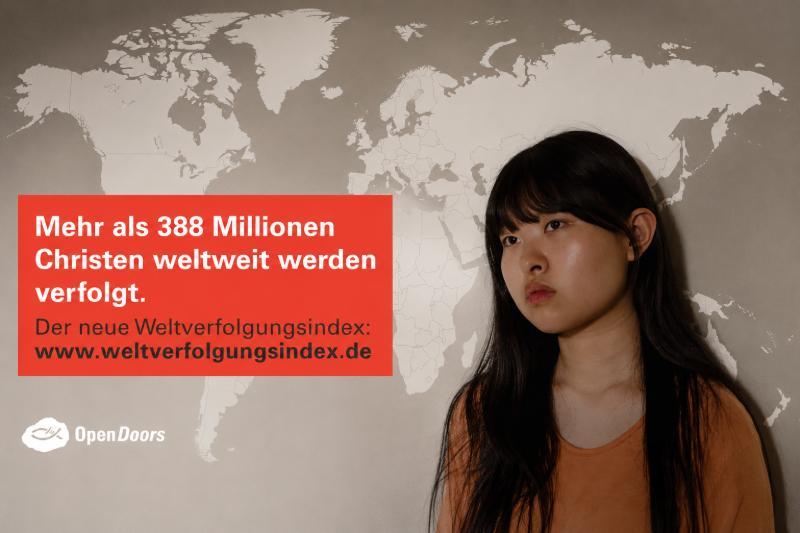

The persecution of individuals based on their faith is not a relic of bygone eras or ancient archives. In the 21st century, it remains a global reality of staggering proportions. Among all religious groups facing repression worldwide, Christians represent the largest targeted group, according to data from human rights organizations such as Open Doors, Aid to the Church in Need, and reports from the UN High Commissioner for Human Rights. More than 360 million Christians live in countries where they experience very high to extreme levels of persecution and discrimination.
The freedom to choose, practice, change, or abandon one’s religion is anchored in Article 18 of the Universal Declaration of Human Rights. Wherever this right is violated, all other fundamental civil rights inevitably collapse. The persecution of Christians rarely occurs in isolation; it frequently serves regimes and extremist groups as a testing ground for broader methods of social control.
1. Typology and Mechanisms of Repression
Understanding modern Christian persecution requires distinguishing between different structural levels of oppression. Repression is rarely erratic; it follows clear systemic patterns:
A. Administrative and Legal Marginalization (“Creeping Persecution”)
In many states, repression does not begin with physical violence, but within the judicial and administrative apparatus. Targeted legislation step-by-step restricts the freedom of action for Christian communities:
- Mandatory Registration: Churches are permitted to exist only if registered with the state. Applications from minority groups, however, are systematically rejected or delayed for years. Unregistered congregations are automatically declared illegal.
- Blasphemy and Anti-Conversion Laws: In countries like Pakistan or India, vaguely worded laws are weaponized to silence Christians. A casual remark or a personal dispute can quickly result in accusations of “blasphemy,” often carrying the death penalty or lengthy prison sentences.
- Criminalization of Conversion: In states with Islamic legal systems (e.g., Iran, Mauritania), apostasy (leaving the majority faith) is treated as a crime. Converts face the forfeiture of civil rights, annulment of marriages, and state prosecution.
B. Physical Violence and Terrorist Pressure (“Violent Persecution”)
Where state order collapses or jihadist ideologies prevail, persecution manifests in extreme violence:
- Targeted Attacks: Raids and bombings on church services during major holidays (e.g., Easter or Christmas) to maximize psychological trauma and panic.
- Kidnappings and Ransom Extortion: Systematic abductions of clergy, nuns, and congregation members to fund extremist operations.
- Displacement and Demographic Engineering: Massacres and the burning of entire villages are used to forcibly expel Christian minorities from their ancestral lands.
C. Social and Familial Exclusion
Persecution is by no means limited to state actors or terror groups; it occurs intensely within local communities and families. In highly traditional or collectivist societies, converting to Christianity often leads to:
- Expulsion from family and village communities.
- Deprivation of inheritance and loss of employment.
- Forced marriage of Christian women to members of the dominant religion to erase their cultural identity.
2. Key Hotspots: Regional Analysis
The intensity and methods of repression vary significantly depending on geographic and political contexts. A comparative analysis illustrates the primary drivers:
| Region / Country | Dominant Persecution Actor | Primary Mechanisms & Repression | Objective of Repression |
| North Korea | Totalitarian Regime / Communism | Imprisonment in labor camps (Gwalliso), torture, execution for Bible possession. | Complete eradication of any faith outside the cult of personality. |
| Sub-Saharan Africa (e.g., Nigeria, Burkina Faso) | Jihadist Groups (Boko Haram, ISWAP) | Terror attacks on churches, massacres, land grabbing, abductions. | Geographical displacement and establishment of a caliphate. |
| China | Communist Party (CCP) | Digital surveillance, removal of crosses, closure of house churches, arrest of pastors. | “Sinicization” of the church and subjugation to the state apparatus. |
| Middle East (e.g., Iran, Yemen) | Islamist Regimes & Society | Raids on house churches, harsh prison sentences for converts, apostasy prosecution. | Erasure of Christianity from public visibility. |
| South Asia (e.g., India, Pakistan) | Religious Nationalism (Hindutva / Islamism) | Mob violence, abuse of blasphemy laws, anti-conversion statutes. | Enforcement of a religiously homogenous identity. |
The Tragedy in Sub-Saharan Africa
In recent years, the epicenter of deadly Christian persecution has shifted dramatically toward Sub-Saharan Africa. In Nigeria alone, more Christians are killed for their faith annually than in the rest of the world combined. Attacks by armed groups target defenseless rural populations, often met with inadequate responses from state authorities, fostering an atmosphere of impunity.
The Principle of “Sinicization” in China
In China, the government pursues a subtle yet relentless strategy. The objective is not necessarily the physical elimination of believers, but total state control over doctrine and institutional structures. Under “Sinicization,” religious teachings must align with Communist Party ideology. AI-powered cameras with facial recognition monitor church entrances, and minors under the age of 18 are legally banned from attending services.
3. High-Tech Surveillance: The Digitalization of Persecution
A defining shift in the 21st century is the rise of the digital surveillance state. Modern technology has vastly amplified historic surveillance methods:
- AI-Powered Video Surveillance: Church interiors and entryways are monitored with smart cameras that automatically cross-reference attendee identities with state databases.
- Monitoring of Digital Communication: Sharing Scripture, Christian music, or prayer requests via messaging apps results in bandwidth throttling, blacklisting, or police raids in authoritarian states.
- Financial Coercion via Cashless Systems: In states phasing out cash, believers placed on government blacklists can be abruptly cut off from the economy by having their digital payment services disabled.
This quiet form of persecution leaves few dramatic images for international media, yet it methodically dismantles the social fabric and livelihoods of targeted communities.
4. International Silence and Geopolitical Interests
Despite these alarming metrics, international diplomacy frequently hesitates to prioritize Christian persecution. Several factors account for this inaction:
- Economic Interdependence: In dealings with economically powerful nations like China or India, human rights concerns are routinely sidelined during diplomatic summits in favor of trade agreements.
- The “Western Faith” Narrative: Christianity in the Global South is often mischaracterized as a strictly “Western” or “colonial” import. Consequently, the persecution of indigenous Christian minorities in the Middle East or Asia is sometimes misconstrued as a political dispute with the West.
- Overlapping Conflicts: Religious motives frequently intersect with ethnic rivalries, climate-induced land scarcity, or resource competition (as seen in the Sahel region). This complexity often leads analysts to overlook the specifically religious dimension of the persecution.
Conclusion: Why Documentation on PolitischeVerfolgung.de Matters
Documenting global Christian persecution on PolitischeVerfolgung.de is not an argument for special privileges for one group; it is the defense of a universal human right.
History demonstrates unequivocally: any state or movement that infringes upon the freedom of conscience and religion will eventually curtail press freedom, assembly rights, and judicial independence. The marginalization of Christians serves as an early warning system for democratic decline and the rise of authoritarianism.
Safeguarding religious minorities is the ultimate test for the global human rights framework. Only by exposing mechanisms, naming atrocities, and holding perpetrators internationally accountable can the ideal of a free world be preserved.