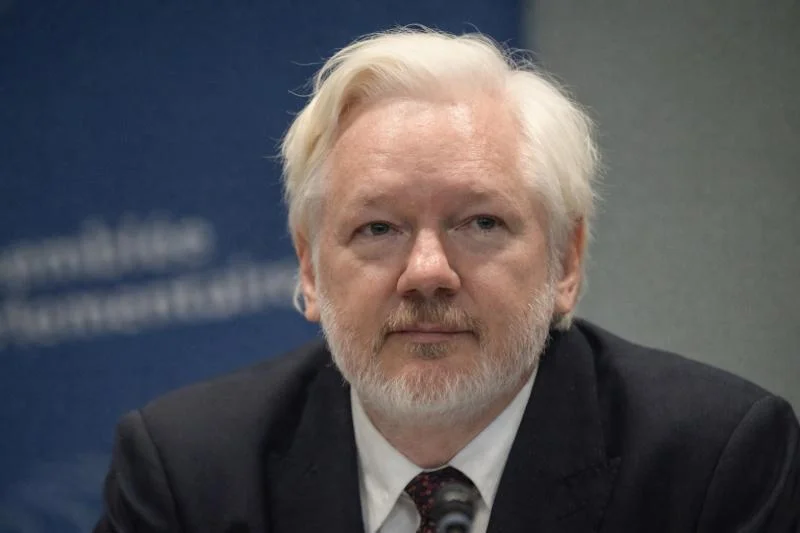
Julian Assange (born 1971), founder of the whistleblowing platform WikiLeaks, is viewed by many as the most prominent champion of press freedom in the 21st century—and by others as a state enemy who shattered the facade of the Western value system. His history of persecution encompasses over 14 years of deprivation of liberty, psychological destruction, and an unprecedented legal marathon.
Yet after the system deployed every tool to break him inside London’s high-security Belmarsh Prison, history opens a new chapter in the autumn of 2026: With a concise “I’m back,” the WikiLeaks founder returned to the platform X—a signal of hope for the global peace and transparency movement during a time of escalating geopolitical crises.
The Revelations: The Year 2010 and the Shaking of the Empire
The catalyst for the state-sponsored hunt was the publication of classified US government documents in 2010, provided to WikiLeaks by whistleblower Chelsea Manning, which unmasked the brutal reality of Western warfare:
- Collateral Murder: Video footage showing US soldiers in an Apache helicopter in Baghdad cynically shooting unarmored civilians and journalists.
- War Logs: Thousands of classified reports on the wars in Afghanistan and Iraq, systematically documenting civilian casualties and alleged war crimes.
- Cablegate: The release of over 250,000 confidential US diplomatic cables, exposing double standards in global diplomacy.
The Chronicle of Persecution: 2010 to Release in 2024
The response from the US and its allies was massive, unfolding through distinct phases of attrition and isolation:
1. Embassy Asylum (2012–2019)
To avoid extradition to Sweden and anticipated onward extradition to the US, Assange sought refuge in the Ecuadorian Embassy in London. Seven years in confined quarters without daylight followed, under constant surveillance by British police and—as later revealed—Spanish security firm UC Global acting on behalf of the CIA.
2. Belmarsh High-Security Prison (2019–2024)
After Ecuador revoked his asylum under political pressure, Assange was arrested on April 11, 2019. He spent over five years in Britain’s “Guantánamo,” Belmarsh Prison. UN Special Rapporteur on Torture Nils Melzer examined Assange on-site and concluded he exhibited all medical symptoms of prolonged “psychological torture.”
3. Indictment Under the 1917 Espionage Act
US prosecutors indicted Assange on 18 counts under the ancient Espionage Act—a dangerous precedent, as this law had never before been used against a publishing journalist. While the US claimed he endangered sources, the defense maintained that Assange engaged in standard investigative journalism. Convicting him criminalizes journalism worldwide.
The End of the Odyssey: The June 2024 Plea Deal
On June 26, 2024, his detention came to an end. In a plea deal with the US Department of Justice on the US Pacific territory of Saipan, Assange pleaded guilty to a single felony count of conspiring to obtain and disclose national defense information.
The result: He was sentenced to time already served in Belmarsh Prison and returned to Australia as a free man. At PolitischeVerfolgung.de, we classify this deal as a textbook case of “Lawfare”—the weaponization of legal systems to wear down journalists and force admission of guilt.
The 2026 Comeback: “I’m back” and the Revival of WikiLeaks
That the strategy of attrition failed was demonstrated on September 17, 2026. With his brief post “I’m back” on X, Assange sent a signal that garnered over 50 million views within days. Leading figures in independent journalism, such as Pulitzer Prize winner Glenn Greenwald, celebrated his return:
“The US and the UK did everything they could to break and destroy Julian Assange, but they couldn’t break him.”
Alongside the personal announcement with his wife Stella Assange that they are expecting their third child in October 2026 under the hashtag #OctoberSurprise, signs point toward his political and editorial reactivation:
| Area of Analysis | Historical Analysis | Relevance in Autumn 2026 |
| War Profiteering | 2011 Speech: “The goal is an endless war to wash tax dollars into the hands of a transnational security elite.” | Precise description of current special defense funds & rearmament drives in ongoing conflicts. |
| Digital Control | Warnings on state mass surveillance & censorship infrastructures | Intervention in debates regarding AI-driven filters, prebunking & real-name requirements. |
| Transparency | Publication of unredacted original source material | Expected reactivation of the WikiLeaks publishing engine. |
Conclusion: A Turning Point for the Global Peace Movement
In his address to the Council of Europe on October 1, 2024, Assange warned how much ground truth had lost during his imprisonment. Yet his reappearance in the autumn of 2026 proves that the state apparatus failed to destroy the symbol of transparency.
Julian Assange’s return is more than a story of personal resilience—it is essential fuel for a global civil society refusing to yield to state censorship, lawfare, and the interests of the transnational security elite.