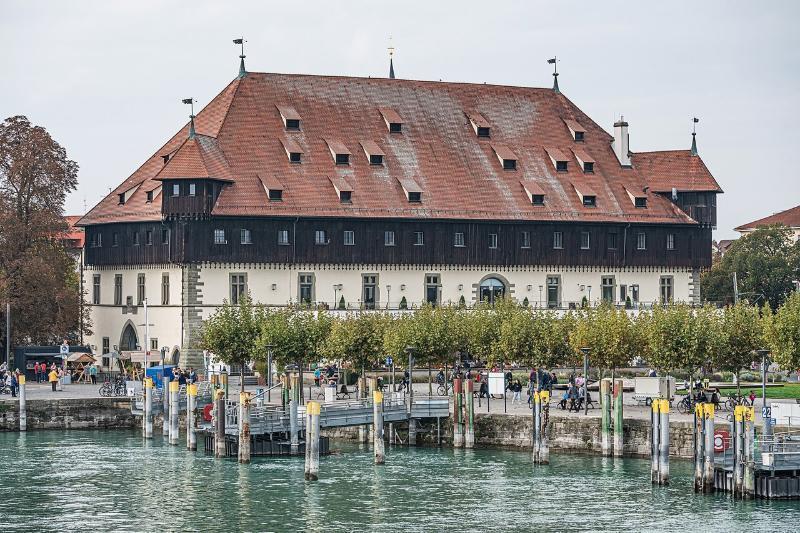
On the surface, the Council of Constance (1414–1418) was intended to restore the unity of the Church. However, behind the scenes of this magnificent assembly at Lake Constance lay one of the most consequential show trials in European history. It was here that the fates of Jan Hus and Hieronymus of Prague were sealed—setting a precedent for how a system silences its sharpest critics.
The Council was the largest diplomatic and religious event of the late Middle Ages. Yet, for the history of political persecution, it is primarily significant as the birth of a perfidious trial tactic that continues to resonate in the present day (2026).
The Goal: Unity Through Exclusion
At the beginning of the 15th century, the Catholic Church was deeply divided (the Great Schism). Three popes simultaneously claimed power. The Council aimed to reform the Church “in head and members.” To save their own authority, the church princes and German King Sigismund sought a common enemy: heresy.
Jan Hus, who attacked church corruption and the sale of indulgences in Prague, became the ideal sacrificial lamb. His criticism was not just theological; it was politically dangerous because it questioned the existing power architecture.
The Instruments of Persecution
The Council of Constance utilized mechanisms that we find mirrored in modern authoritarian systems in 2026:
- The Broken Legal Protection (Safe Conduct): King Sigismund promised Jan Hus “safe conduct.” However, in Constance, this promise was broken with the justification that “one does not have to keep one’s word to a heretic.” This was the birth of the legal vacuum for opponents of a regime.
- Delegitimization of the Person: Instead of engaging with Hus’s criticism, he was branded an “arch-heretic” and a destroyer of social order.
- Coerced Confessions: Imprisonment in the dungeons of the Dominican monastery under brutal conditions served to break the will of the accused. Hieronymus of Prague recanted under torture before later returning to his convictions.
The Show Trial as a Media Event
The Council was a demonstration of power before the eyes of all Europe. The public burning of Jan Hus (1415) and Hieronymus of Prague (1416) was meant to send a clear message: Whoever fundamentally criticizes the system forfeits their right to live.
The judges in Constance were not neutral jurists; they were partisan. They functioned simultaneously as prosecutors, witnesses, and judges—a structure observable today in political trials against whistleblowers or dissidents worldwide.
Bridge to 2026: Lessons from Constance
The mechanisms of Constance are timeless. When unpopular scientists, journalists, or civil rights activists are neutralized today through de-platforming, professional bans, or political criminal proceedings, the actors are following the same logic as the Council 600 years ago:
- Isolation of the critic from their social environment.
- Criminalization of opinion by reinterpreting it as an “endangerment to the state.”
- Violation of legal guarantees in favor of a supposed “higher security.”