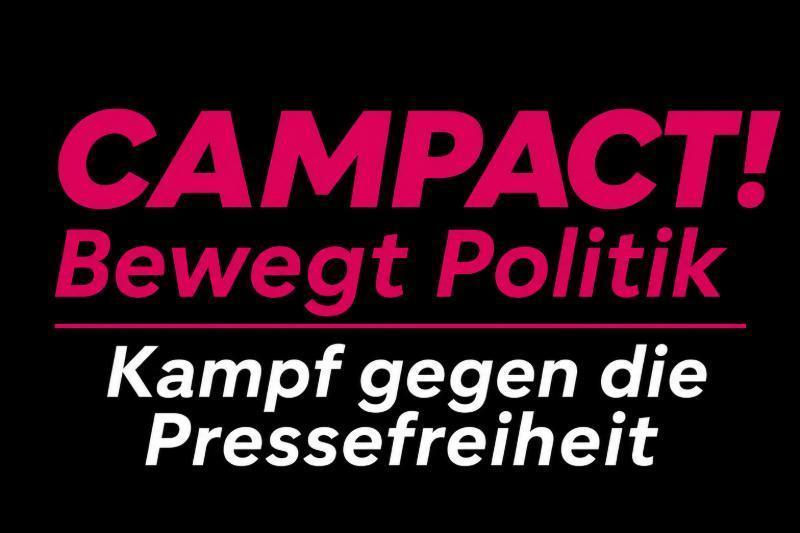
Freedom of the press and the independence of the media market are fundamental pillars of a functioning democracy. When the right to free reporting is no longer restricted by state decrees, but rather through economic pressure mechanisms deployed by private actors, the liberal democratic order is severely disrupted. A concerning trend is emerging through the tactics of political campaign organizations: using financial leverage, digital blacklists, and vaguely defined enemy images to economically starve non-conformist media voices.
This dynamic became blatantly clear in August 2026, when the left-leaning NGO Campact launched a campaign targeting around 90 major corporations, demanding they block their advertisements on a blacklist of 62 YouTube channels. Frame-worked as a crusade against “hate speech,” closer inspection reveals a direct attack on constitutionally guaranteed press freedom.
A Direct Assault on Press Freedom
The core issue of Campact’s initiative lies in the deliberate destruction of the economic foundation of independent journalism. Press freedom does not exist in a vacuum; it requires media outlets, digital magazines, and newsrooms to operate independently, financed through subscriptions or the open advertising market.
By weaponizing corporate reputation management, Campact directly interferes with the revenue streams of independent media outlets. When political NGOs effectively claim the authority to decide which media organizations may survive financially and which must be starved out, press freedom is eroded through the backdoor. Free journalism is thus reduced to a privilege granted only to those who remain within a narrow opinion corridor defined by self-appointed watchdogs.
The Pattern of Exclusion: How Modern Boycott Campaigns Work
Digital-era censorship rarely relies on direct legal bans, which are easily challenged in court. Instead, it targets the economic infrastructure of independent actors through a structured strategy:
- Creation of Blacklists: Campact unilaterally compiled a blacklist containing 62 YouTube channels.
- Guilt by Association: Independent, government-critical, or conservative outlets (Apollo News, Nius, Tichys Einblick, Weltwoche) are lumped into a single category (“hate channels”) alongside extremist outlets (Compact TV, AUF1) and party channels (44 of the 62 channels have ties to the AfD party).
- Targeting Advertisers: Approximately 90 corporations were directly contacted and pressured with claims that their brand reputation would be damaged by association with “hate and extremism.”
- Moral Pressure & Short Deadlines: By enforcing tight response deadlines, the campaign instills panic in corporate compliance departments, prompting preemptive obedience.
Key Data & Corporate Reactions
The campaign’s financial pressure has already triggered swift compliance among major international and domestic brands:
- 20 Companies Adjusting Ad Blocklists: Aldi Süd, Kleinanzeigen, Indeed, XXXLutz, DEVK, Constantin Film, Wolt, Bergfreunde, Immowelt, Euronics, Axa, Berliner Wasserbetriebe, Milram, dm, ImmoScout24, Edeka, FlixTrain, BiFi, Klosterfrau, and Procter & Gamble.
- 9 Companies Reviewing Steps: Rewe, Booking.com, Samsung, Krombacher, SumUp, LG Electronics, Miniatur Wunderland, Sparkasse, and Lenor.
Conclusion
Delegitimizing independent media outlets by weaponizing advertising algorithms sets a dangerous precedent. A truly democratic society demands the protection of independent press, ensuring that private NGOs do not replace rule-of-law principles with ideological gatekeeping.