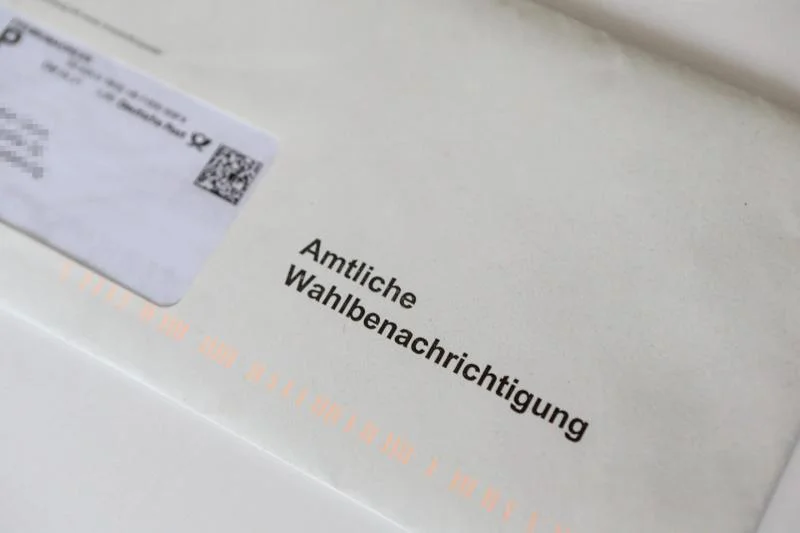
Free, equal, and secret elections form the bedrock of parliamentary democracy. However, wherever individuals count ballot papers and complete official election records under time pressure, risks naturally arise—whether through organizational strain, clerical recording errors, or, in extreme cases, deliberate breaches of regulations.
A look at past electoral history and current state protection investigations in Saxony-Anhalt reveals that blind trust is just as harmful as destructive cynicism. The most effective protection for the democratic process is active transparency. An engaged civil society exercising its legal right to public election observation safeguards counting results and strengthens public trust in democratic institutions.
Historical Lessons: The Stendal Election Scandal (2014)
Any discussion regarding electoral risks in Saxony-Anhalt inevitably leads back to the local elections of May 2014 in the Stendal district. This landmark case highlighted the exact point where voting systems are most vulnerable:
- Manipulated Postal Voting: A local politician forged authorization proxies to request postal voting documents, subsequently completing hundreds of ballots in the names of other citizens.
- Legal Consequences: The scandal triggered lengthy criminal investigations, a repeat election in 2015, and legally binding convictions for forgery of electoral documents.
- Key Takeaway: The primary vulnerability for deliberate manipulation rarely exists at the local polling station on election day, but rather within postal voting (mail-in ballots) and the mishandling of proxy authorizations.
Current Suspected Incident: Investigations in Dessau-Roßlau
A recent incident at the “Marthahaus” senior residence in Dessau-Roßlau demonstrates how sensitive postal voting procedures and voting assistance remain in care home environments, where the State Election Office and state security police are currently investigating alleged irregularities:
- The Allegation: The legal proxy for a 95-year-old resident suffering from dementia attempted to inspect her voting documents. At the local election office, he was informed that an application bearing a dubious signature had already been submitted and her vote had already been cast.
- Contradictory Statements: According to the relative, a care home employee had previously claimed to have collected and shredded residents’ election documents due to a lack of time.
- State Security Investigation: Following a formal criminal complaint against unknown persons, state police investigators secured evidence on-site, while electoral authorities evaluate the case under electoral law.
- Systemic Vulnerabilities: The case underscores the official position of the State Election Office: while statutory safeguards are extensive, electoral law cannot guarantee total protection against intentional criminal behavior by individuals.
Typical Vulnerabilities: Intent vs. Oversight
In public discourse, everyday errors are frequently mischaracterized as systematic fraud. Practical experience, however, reveals a more nuanced reality:
| Source of Error | Cause | Safeguard Mechanism |
| Transcription Errors | Fatigue of poll workers late at night; transposition of digits when reading aloud or logging tallies. | Four-eyes principle, public vote tallying, verification against preliminary rapid reports. |
| Misinterpretation of Ballots | Unclear voter intent (e.g., marginal notes, multiple marks). | Electoral board must vote as a body; contested ballots are documented separately. |
| Postal Vote & Assistance Irregularities | Unauthorized influence within care facilities or homes; illegal completion of third-party ballots. | Strict identity checks, proxy verification, and state security intervention upon suspicion. |
Your Right to Audit: How Election Observation Works
Electoral law in Germany strictly differentiates between two civic roles:
- Poll Worker (Wahlhelfer): An honorary position within the electoral board. Poll workers manage ballot distribution, verify voter eligibility, and perform the official count.
- Election Observer (Wahlbeobachter): Under the constitutional principle of the public nature of elections, every citizen possesses the right to observe the vote counting process without prior registration.
Rules for Election Observation (Starting at 6:00 PM):
- Public Access: Polling rooms are legally open to the public for counting at 6:00 PM. No citizen may be excluded without a compelling cause (e.g., room capacity limits).
- Observation Allowed, Interference Prohibited: Observers may watch over poll workers’ shoulders and listen to the announcement of votes. However, they must not obstruct proceedings, interrupt workers, or handle physical ballots.
- Record Keeping: Observers are explicitly permitted to write down intermediate counts and final district results to compare them later against official published totals.
Call to Action: Become an Election Observer in Saxony-Anhalt
Strengthening transparency and trust in upcoming elections in Saxony-Anhalt requires neither conspiracy theories nor cynicism, but practical civic engagement on the ground.
How to get started:

- Choose a Polling Location: Visit your local polling station or a designated postal vote counting center in your municipality.
- Arrive On Time: Arrive by 5:50 PM before doors are officially prepared for public counting at 6:00 PM.
- Document Results: Take note of the publicly posted rapid notification result for your district and cross-check it once official municipal figures are published.
Conclusion
Vigilance safeguards the democratic process. By taking responsibility as an election observer or poll worker, you actively prevent administrative errors, ensure transparency, and deter potential attempts at voter manipulation right at the source.